



🎯 The Main Takeaway
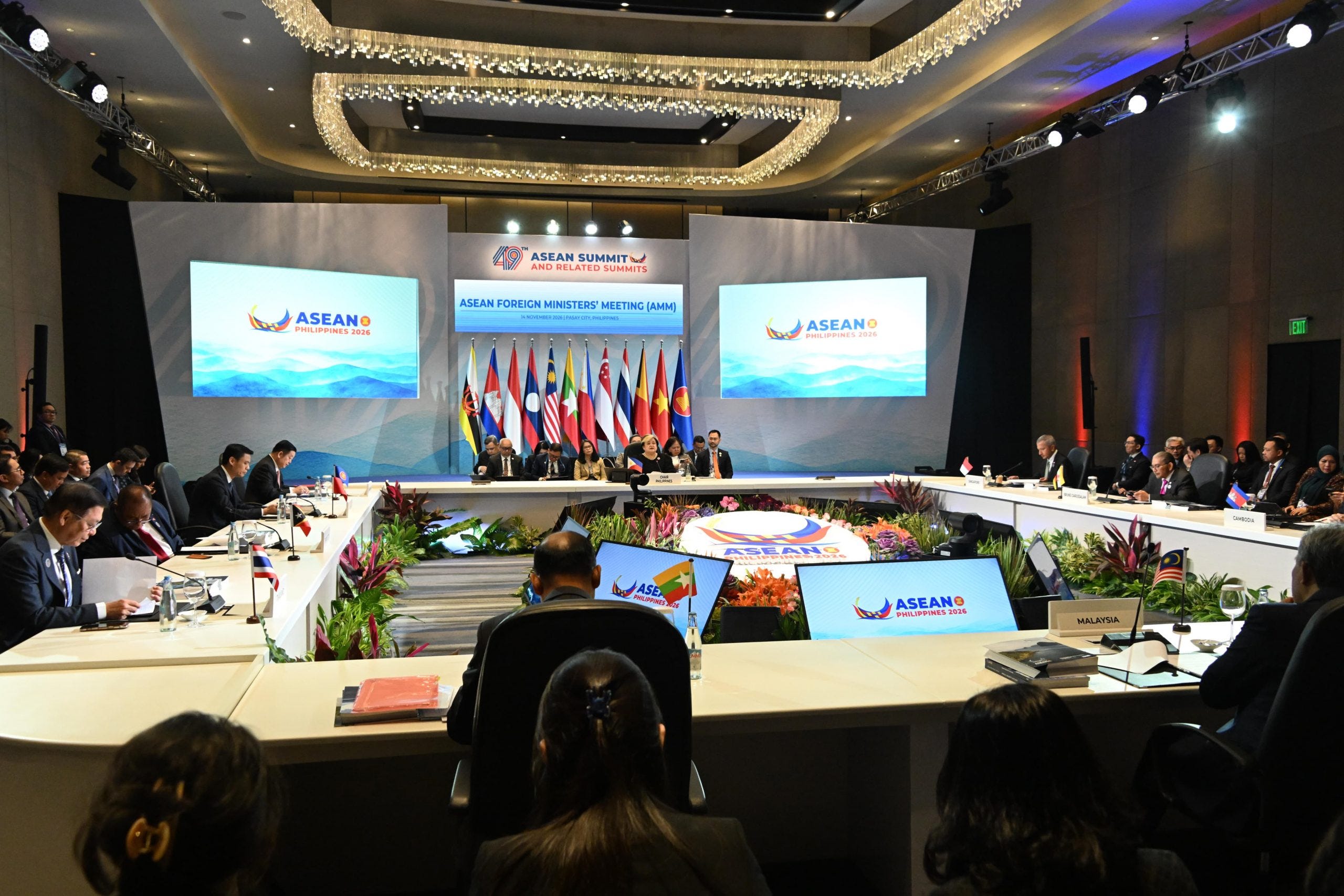
On 15th November 2026, Philippine Foreign Secretary Ma. Theresa Lazaro said that the Association of Southeast Asian Nations (ASEAN) and China will miss the South China Sea Code of Conduct (CoC) deadline as negotiations have failed to resolve key issues.
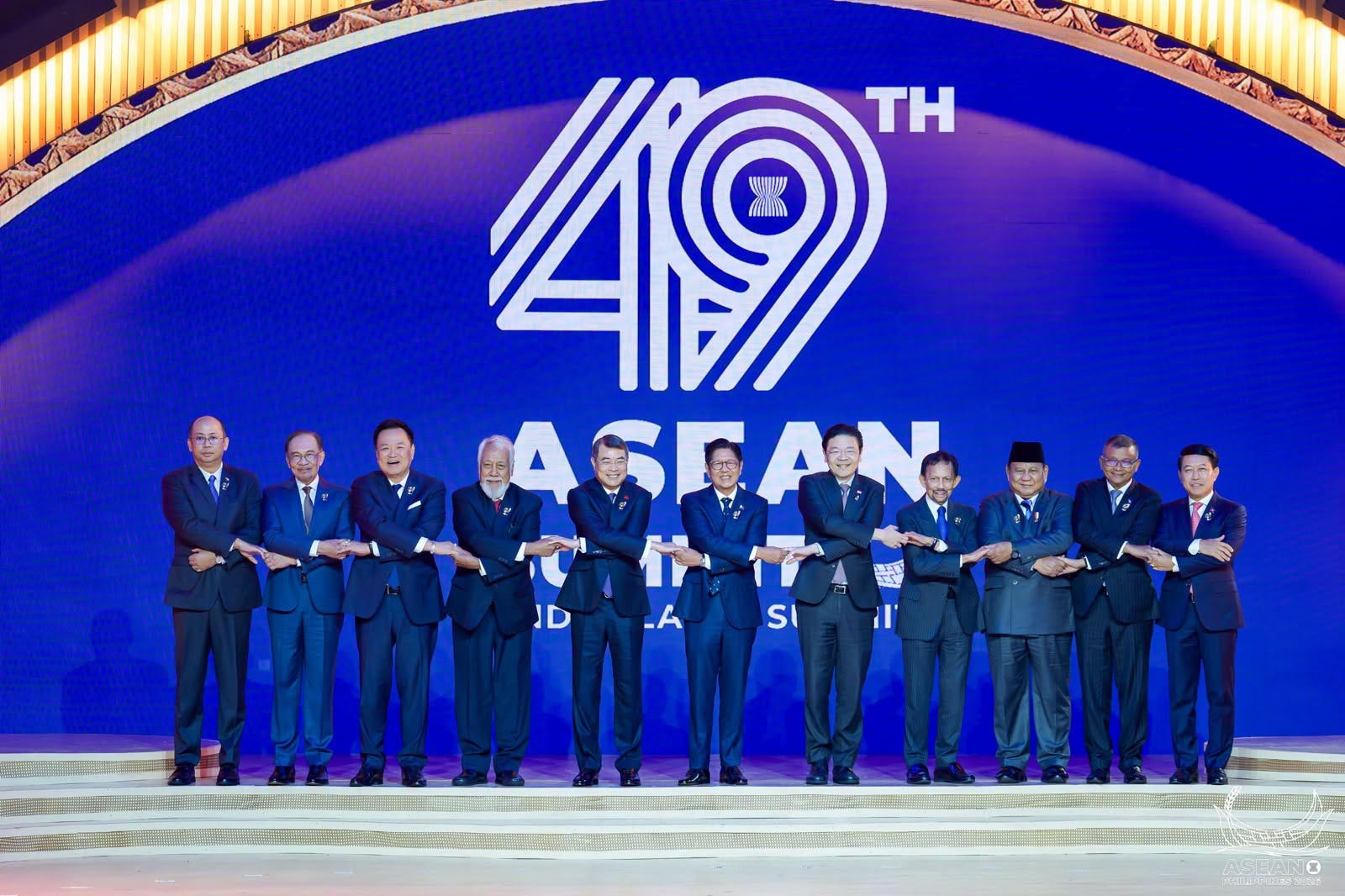
This statement was made on the opening day of the 49th ASEAN Summit and related summits, with Lazaro adding that about 70% of the CoC had been agreed by both parties, but crucial provisions remained, causing the deadline set three years ago to be missed.
Therefore, negotiations regarding the South China Sea CoC will continue during Singapore’s ASEAN Chairmanship in 2027.
The situation marks another delay in establishing clearer rules to prevent incidents in the South China Sea.
Moreover, the summit also highlighted Myanmar. ASEAN will extend the ban on Myanmar’s leader attending the bloc’s annual summit because the country failed to comply with the 2021 peace plan.
⚠️ Why It’s Important?
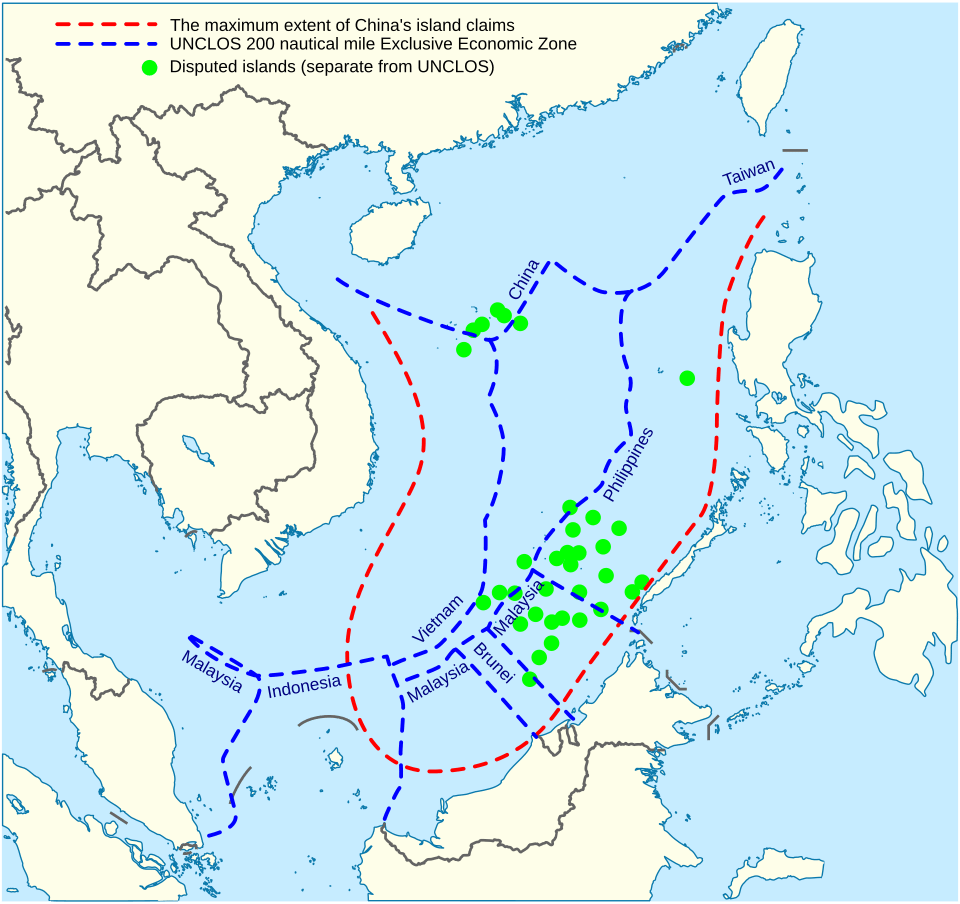
Since 2002, ASEAN member states and China have been using the 2002 Declaration on the Conduct of Parties (DoC) to address tensions and disputes in the South China Sea, with a key commitment to adhere to the international law of the UN Charter and other laws related to the sea.
However, the 2002 DoC is non-legally binding, so despite its efforts to promote peace, stability, and cooperation in the South China Sea, it lacks a mechanism to impose sanctions and stop aggression in the contested waters.
This is reflected in the frequency of incidents in the South China Sea. One study from a Vietnamese research institute stated that by the end of 2025, at least 15 incidents occurred between the Philippines and China across multiple locations within the South China Sea; the institute further stated that incidents between the two parties occur on a near-monthly basis.
Meanwhile, extending Myanmar’s ban would mean its representation at ASEAN summits remains restricted. It would mean that Myanmar has failed to meet the requirement or make significant progress on the reason behind its ban.
⚖️ What’s at Stake?
The proposed code would benefit both sides by setting clearer rules for managing tensions, preventing incidents, and promoting cooperation in the South China Sea, where many areas are in contention.
However, Lazaro would identify four key issues causing the missed deadline, two of which are highlighted as critical to whether the proposed code would have real force:
The Legal Status: Whether the CoC would be legally binding could determine its effectiveness. Looking at its predecessor, the 2002 DoC, a non-legally binding commitment could potentially change little of the current situation.
The Geographical Scope: Many contested areas in the South China Sea are claimed by different ASEAN member states and China.

🏝️ The Regional Stake
With the missed deadline in 2026, the remaining issues would continue to be negotiated under Singapore’s ASEAN Chairmanship in 2027.
For the Philippines, the missed deadline would mean it would end its ASEAN chairmanship without securing the CoC, which is a key regional priority set under its leadership for ASEAN.
For Southeast Asia as a whole, missing the deadline would also mean missing an opportunity to reduce tensions with China over contested waters and to reduce maritime incidents.
According to Armed Conflict Location & Event Data (ACLED), an independent global conflict-monitoring organisation, between January 2025 and May 2026.
Reported 3 collisions, 16 confrontations, 56 harassments, 134 movements of forces, and 176 military exercises involving maritime activity in the South China Sea.
🇲🇲 ASEAN-Myanmar’s Ban Extended
When Myanmar’s military ousted the democratically elected government in February 2021, civilians refused to accept it. The military met that rejection with force, and the crackdowns that followed turned the political crisis into a violent one.
Recognising the situation, the ASEAN Secretariat meeting in April 2021 set out the Five-Point Consensus to provide a peaceful solution to Myanmar’s situation. The five points are as follows:
First, there shall be immediate cessation of violence in Myanmar, and all parties shall exercise utmost restraint.
Second, all parties concerned shall commence constructive dialogue to seek a peaceful solution in the interests of the people.
Third, a special envoy of the ASEAN Chair shall facilitate mediation of the dialogue process, with the assistance of the Secretary General of ASEAN.
Fourth, ASEAN shall provide humanitarian assistance through the AHA Centre.
Fifth, the special envoy and delegation shall visit Myanmar to meet with all parties concerned.
However, despite the Five-Point Consensus, violence would still continue in Myanmar.
According to the Assistance Association for Political Prisoners (AAPP), at least 818 civilians and activists were killed, while 5392 were detained as of May 2021.
Additionally, in October 2021, ASEAN Foreign Ministers agreed at an emergency meeting to invite only a “non-political representative” from Myanmar to the October ASEAN summit, effectively excluding junta leader Min Aung Hlaing. They cited insufficient progress in implementing the Five-Point Plan.
ASEAN’s decision to restrict Myanmar’s political representation at ASEAN summits has been reviewed and remains in effect for 9 ASEAN summits, including the 49th ASEAN summit. It would likely remain so until there is meaningful progress in implementing the Five-Point Plan.
🏁 Bottom Line
In 2023, ASEAN and China set the deadline for the South China Sea CoC for 2026. They hope to accelerate a process that has dragged on for two decades for both parties.
Despite the missed deadline, it is clear that significant progress has been made toward achieving the long-sought CoC. Lazaro would state that 70% of the proposed CoC has been agreed upon by ASEAN and China.
This leaves a clear target for Singapore’s chairmanship in 2027, to finish what the Philippines’ chairmanship and others before it have done thus far.
For Myanmar, the extension of the ban would mean another cycle of ASEAN summit here they representative are restricted to non-political. ASEAN leaders expressed deep concern over the insufficient progress in the Five-Point Plan.
🔍 Need More Angles?
ACLED Q&A: As South China Sea confrontations ramp up, what’s the risk of open conflict?
Al Jazeera ASEAN, China fall short of agreeing on South China Sea code
Daily Tribune CoC deadline slips as key issues remain
Nghiên cứu Biển đông The South China Sea in 2025 - A Year in Review Part 1: Multiple flashpoints in Philippines-China interactions; Closer Intra-ASEAN Military connectivity
(FRD/QOB)